



22 May Cultural perspectives on gambling understanding regional beliefs and practices
Cultural perspectives on gambling understanding regional beliefs and practices
Historical Context of Gambling
Gambling has a rich history that intertwines with the cultural evolution of societies worldwide. Dating back to ancient civilizations, activities involving chance and luck can be found in archaeological records from China, Rome, and Greece. These early forms of gambling were often linked to religious rituals and community bonding, illustrating the deep-seated belief that fortune was both a communal and individual aspect of life. Over centuries, these activities transformed into more structured forms, reflecting societal changes and evolving moral perspectives. If you’re looking for a comprehensive platform, you might want to check out https://gamblingdata.net/casinos/party-poker-casino/, which features a diverse range of card games.
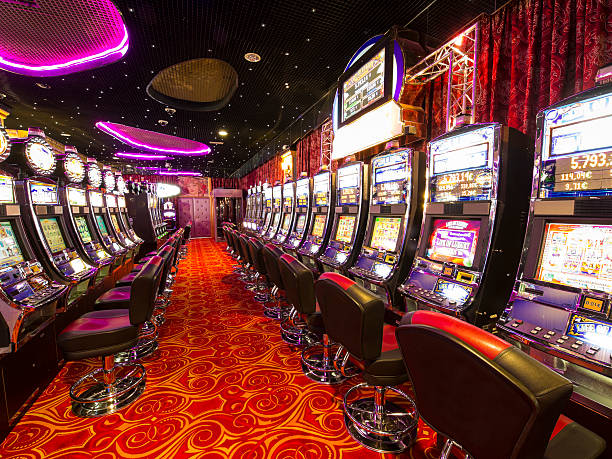
In many cultures, gambling practices are influenced by regional customs and beliefs. For example, in ancient Rome, dice games were a popular form of entertainment and had a place in social gatherings. Conversely, in certain indigenous cultures, gambling was integrated into festivals and spiritual practices, highlighting its multifaceted role in societal values. Understanding these historical dimensions helps us appreciate how gambling practices are embedded in cultural narratives, revealing underlying beliefs about luck, fate, and community.
The shift from informal betting systems to organized gambling establishments mirrors changes in legal frameworks and economic structures. For instance, during the 19th century, the establishment of casinos in Europe created a distinct cultural hub for gambling, attracting individuals seeking leisure and excitement. This period laid the foundation for the modern gambling landscape we see today, illustrating how historical context shapes current beliefs and practices around gambling across various regions.
Regional Beliefs Influencing Gambling Practices
Regional beliefs significantly shape how gambling is perceived and practiced. In many Western cultures, gambling is often associated with entertainment, wealth accumulation, and social interaction. This perspective promotes a more casual attitude towards gambling, viewing it as a leisurely activity that can lead to financial gain. In countries like the United States, casinos are viewed as major tourist attractions, reflecting a cultural acceptance of gambling as a normative part of life.
In contrast, some Eastern cultures, particularly in countries like China, approach gambling with a mixture of caution and reverence. The concept of luck, deeply rooted in Chinese culture, plays a pivotal role in gambling practices. The Chinese New Year, for example, is celebrated with games of chance, symbolizing hope for prosperity and good fortune. This illustrates how regional beliefs not only influence participation in gambling but also shape the rituals and meanings associated with these practices.
Additionally, religious beliefs often intersect with gambling practices, further diversifying regional attitudes. In predominantly Muslim countries, for example, gambling is often prohibited, reflecting a cultural stance that views such activities as sinful. Conversely, in more secular regions, there is a greater tendency to accept gambling as part of the entertainment spectrum. This dichotomy illustrates the complex interplay between cultural beliefs and gambling practices, revealing how deeply ingrained societal values influence individual choices.
Modern Practices and Cultural Integration
In today’s globalized world, gambling practices have evolved to include digital platforms and online gaming, leading to a unique blend of traditional and contemporary cultures. Online casinos and poker rooms have emerged, making gambling accessible to a wider audience, regardless of regional boundaries. This integration of technology into gambling has also affected cultural perceptions, particularly among younger generations who may view it as a standard form of entertainment.
The phenomenon of social gambling, particularly through mobile applications, further illustrates the shift in how cultural practices are adapting. Many cultures now engage in online gaming as a communal activity, where players share experiences and strategies, thus fostering a sense of community. The transformation from physical casinos to virtual spaces marks a significant cultural shift, leading to new forms of engagement that reflect contemporary values of convenience and connectivity.
Moreover, as gambling continues to integrate into the fabric of society, various cultural narratives are emerging around responsible gaming. Initiatives promoting responsible gambling practices reflect a growing awareness of the potential risks associated with gambling activities. This movement illustrates how modern beliefs can shape and redefine cultural practices, emphasizing the importance of balancing enjoyment with responsible behavior.
Legal and Ethical Considerations in Gambling
The legal landscape surrounding gambling varies widely across regions, deeply influencing how it is perceived culturally. In some areas, regulations are strict, limiting the types of gambling allowed and imposing heavy penalties for illegal activities. For instance, in many countries where gambling is heavily regulated, there exists a cultural stigma associated with it, leading to secrecy and underground gambling operations. This creates a complex relationship between legal frameworks and cultural acceptance.
On the other hand, in regions where gambling is legalized and regulated, such as Las Vegas in the United States or Monaco in Europe, it has become an integral part of the local economy and tourism. These places celebrate their gambling culture, intertwining it with entertainment, dining, and hospitality. The contrasting legal approaches reveal how cultural perspectives on morality and ethics can shape the acceptance and normalization of gambling within society.
Additionally, the ethical considerations surrounding gambling, particularly in relation to addiction and mental health, have become increasingly prominent. Many cultures are now prioritizing public awareness campaigns that address the potential negative impacts of gambling. This shift demonstrates a growing cultural consciousness regarding the balance between economic benefits and the welfare of individuals, highlighting the evolving nature of cultural beliefs surrounding gambling.

Exploring Online Gaming and Regional Differences
As a leading platform in the online gaming industry, Party Poker Casino offers a diverse range of gambling options catering to various regional preferences. With a vast selection of games, including traditional poker, slots, and table games, the casino integrates cultural practices from around the world into its offerings. This inclusivity ensures that players from different backgrounds can find something that resonates with their cultural beliefs and gaming preferences.
Moreover, Party Poker Casino prioritizes responsible gaming, recognizing the importance of promoting healthy gambling habits among its users. By implementing measures such as self-exclusion options and educational resources, the platform aligns with a growing cultural trend that emphasizes the significance of player protection. This approach reflects an understanding of the potential challenges associated with gambling and a commitment to fostering a safe gaming environment.
Ultimately, Party Poker Casino serves not only as a gaming destination but also as a cultural bridge, connecting players from various backgrounds through shared gaming experiences. The blend of regional beliefs and modern practices creates a unique atmosphere where players can engage, explore, and enjoy, all while promoting a sense of community and responsible gaming. By understanding the cultural nuances that influence gambling, the casino positions itself as a leader in the evolving landscape of online gaming.
No Comments